Barocossance: The Era-Inspired Aesthetic Redefining Modern Events
If you’ve spent any time online, sucked into the event and design side of the internet, you already know that a major shift is happening. The design world has officially moved on from the era of stark, ultra-minimalist “all-white” spaces. In their place is something far more dramatic, layered, and historical.
The truth is that wedding and event design rarely operates in a vacuum. The jaw-dropping events we help design and provide inventory for always trickle down from high fashion and interior design. When we see a revival of grand structures, romantic textures, and ornate detailing on the runways of Paris or in high-end residential estates, it’s only a matter of time before clients want that exact same level of luxury brought to the showroom floor.
Right now, we are witnessing a massive resurgence of historical aesthetics, specifically from the Renaissance, Baroque, and Rococo eras. But we aren’t just seeing a direct, literal copy-and-paste from history. Instead, the event industry has done what it does best: reimagined them. We are officially in the era of a glorious, modern design mash-up.
Welcome to the age of ‘Barocossance’.
Let’s break down these three iconic eras, how they are being reinvented for modern events, and what this means for your rental strategy.
The Renaissance
If you hear Renaissance and only think stiff, symmetrical, and perfectly balanced, then you’d only be partially correct. The real energy behind this movement is the rebirth of Classical antiquity (think literature, philosophy, and architecture with heavy Greek and Roman influence) and the rise of humanism (the importance of education and worldliness).
We’re seeing a shift toward spaces that feel lived in, thoughtful, and deeply evocative of the Italian countryside or a Florentine palazzo. In modern application, we are seeing columns, stone- and terracotta-like textures, sculptural busts, and perfectly balanced table layouts. It’s not about rigid symmetry, it’s about weighted, grounded luxury, using materials like iron and heavy drapery to build clean frameworks that define an event space before the decor even touches the table.
The Baroque Period
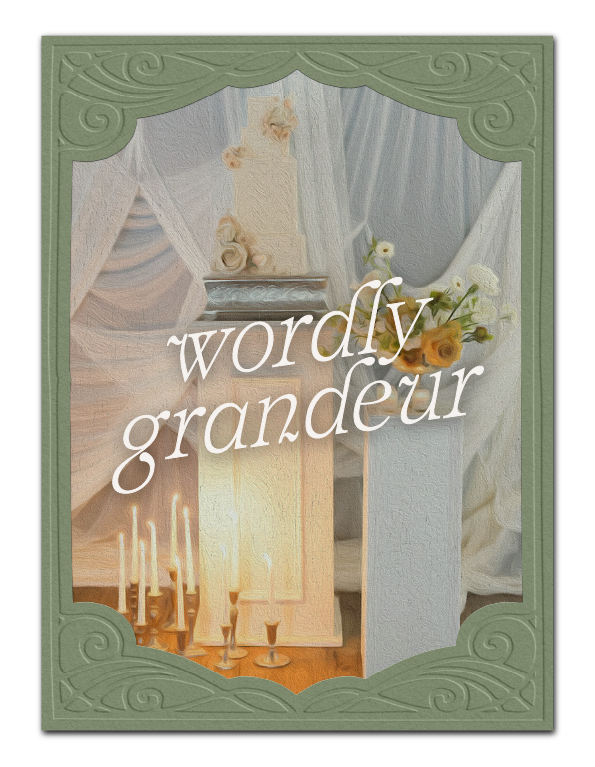
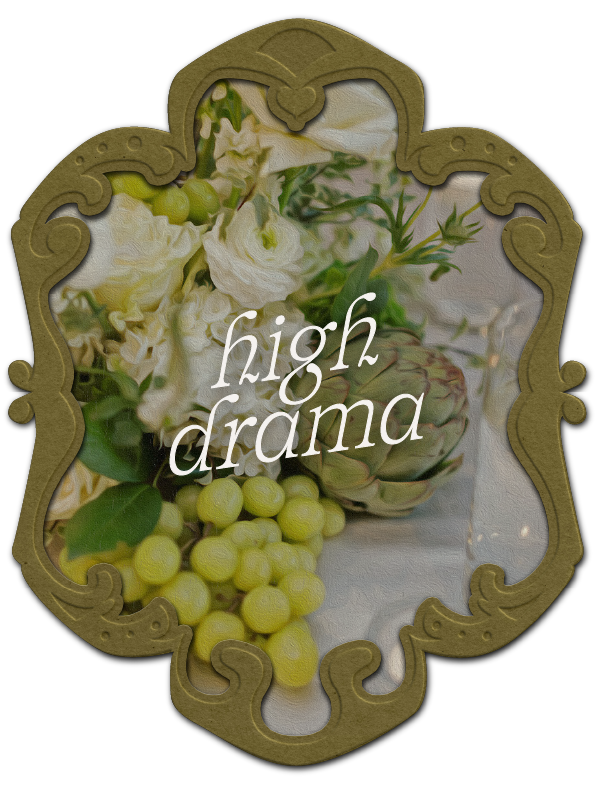
If the Renaissance is a steady, intellectual beat, the Baroque era is a full orchestral explosion. Historically, this period was obsessed with theatricality, high tension, and intense emotion. On modern mood boards, the Baroque aesthetic is getting a bold update through contemporary colors and high-contrast composition. Designers are taking that signature heavy drama and pairing it with unexpected elements to create elevated design friction. Think heavy velvet draping, and a dramatic orchestra, but set against a modern color palette of ethereal sky blue and muted brick red. That’s where the magic happens. The Baroque period was also known as the golden age of still life, where we often saw striking depictions of food with deep shadows, and the feeling of intense candlelight, making the art feel alive. We’ve seen this make its way into modern design with fruit and vegetables as centerpieces, and the heavy use of candles to create photographs that are deeply contrasted and dramatic.
The Rococo Period
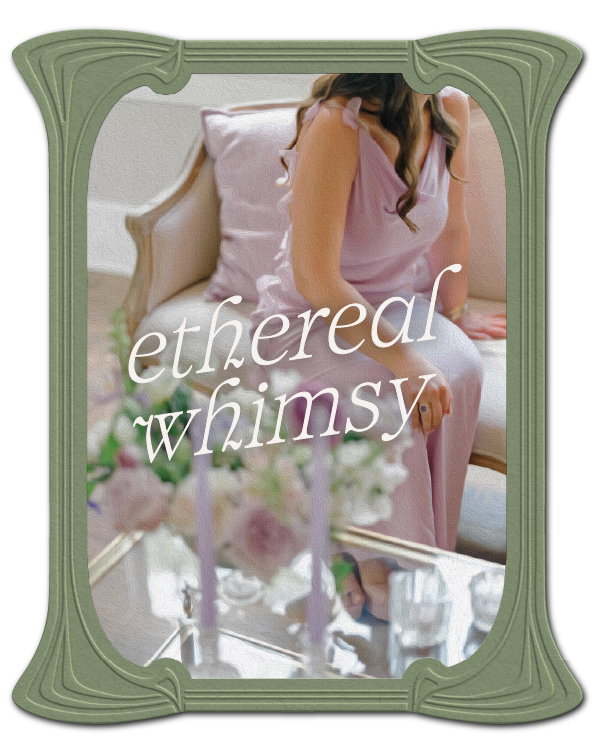
Originating in 18th-century France, Rococo evolved out of the Baroque era but decided to lighten the mood. It traded the heavy, dark drama for asymmetrical curves, soft pastels, and a sense of whimsical intimacy. The soft, hyper-feminine details dominating Vogue Weddings—intricate lace, delicate florals, and curved silhouettes—are coming to life on the event floor. Today’s Rococo isn’t stuffy; it’s fluid. We’re seeing a wave of European-inspired seating featuring signature curved legs and gold-gilt details, but reimagined in fresh, unexpected colorways like soft lilac, warm mocha, and butter yellow.